
Ecological Survey FAQs
-
Help! My Planning Application has flagged up the requirement for an ecological assessment!
As part of your Planning Application, you will have submitted a ‘Wildlife Trigger List’, whereby the ticking of any of the categories will generate a requirement for a Preliminary Ecological Assessment (PEA).
First off don’t worry! This initial survey can be undertaken at any time of year and is very often the only additional ecological information you will need to provide.
-
What is a Preliminary Ecological Assessment and who can do it for me?
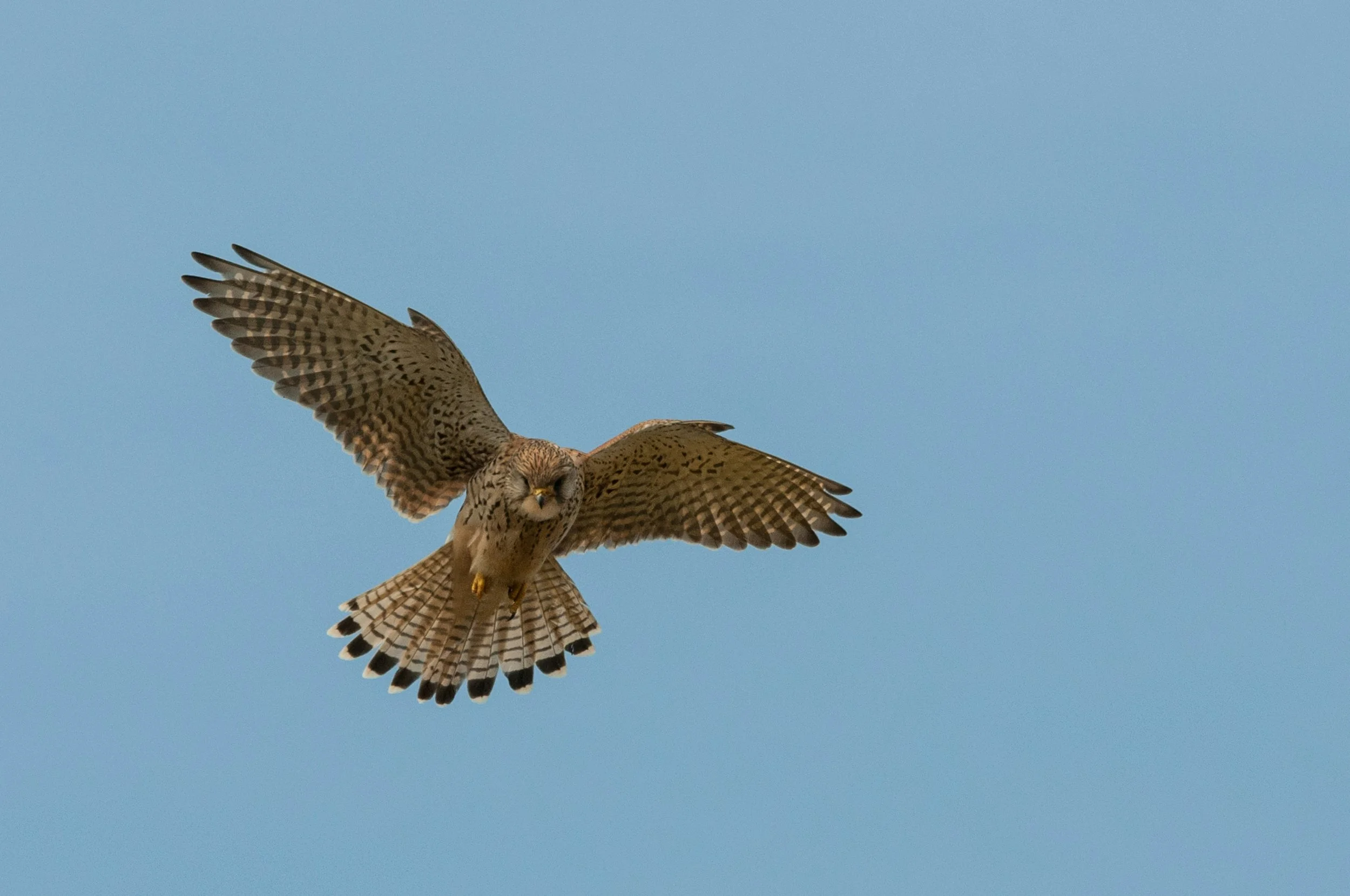
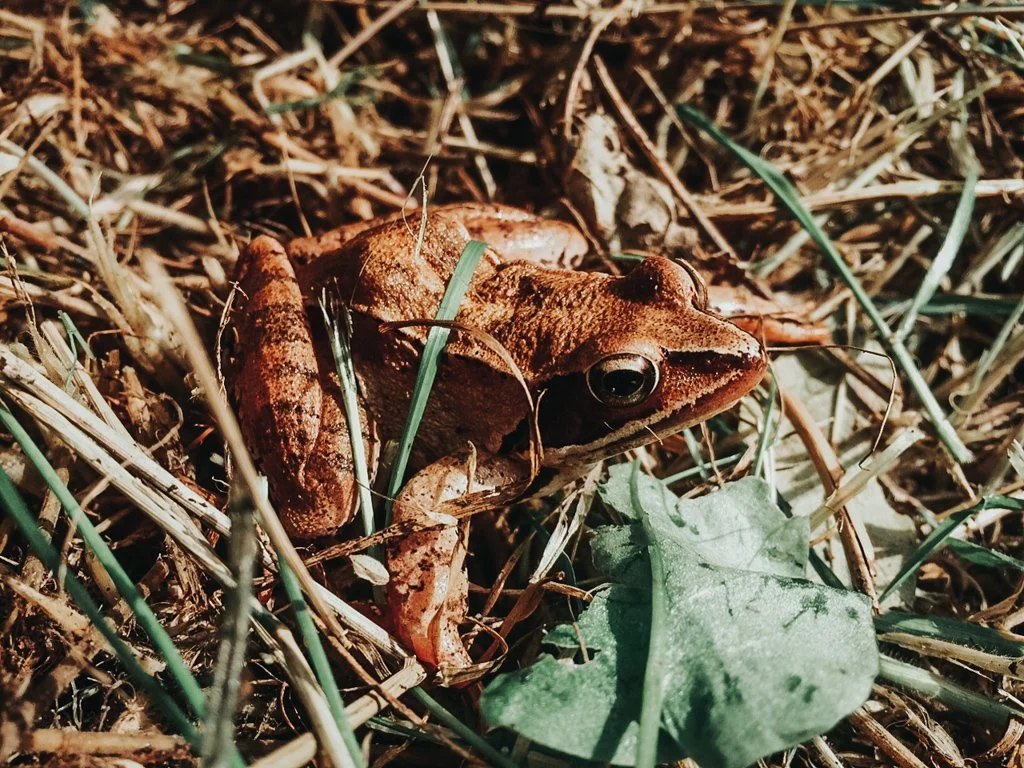
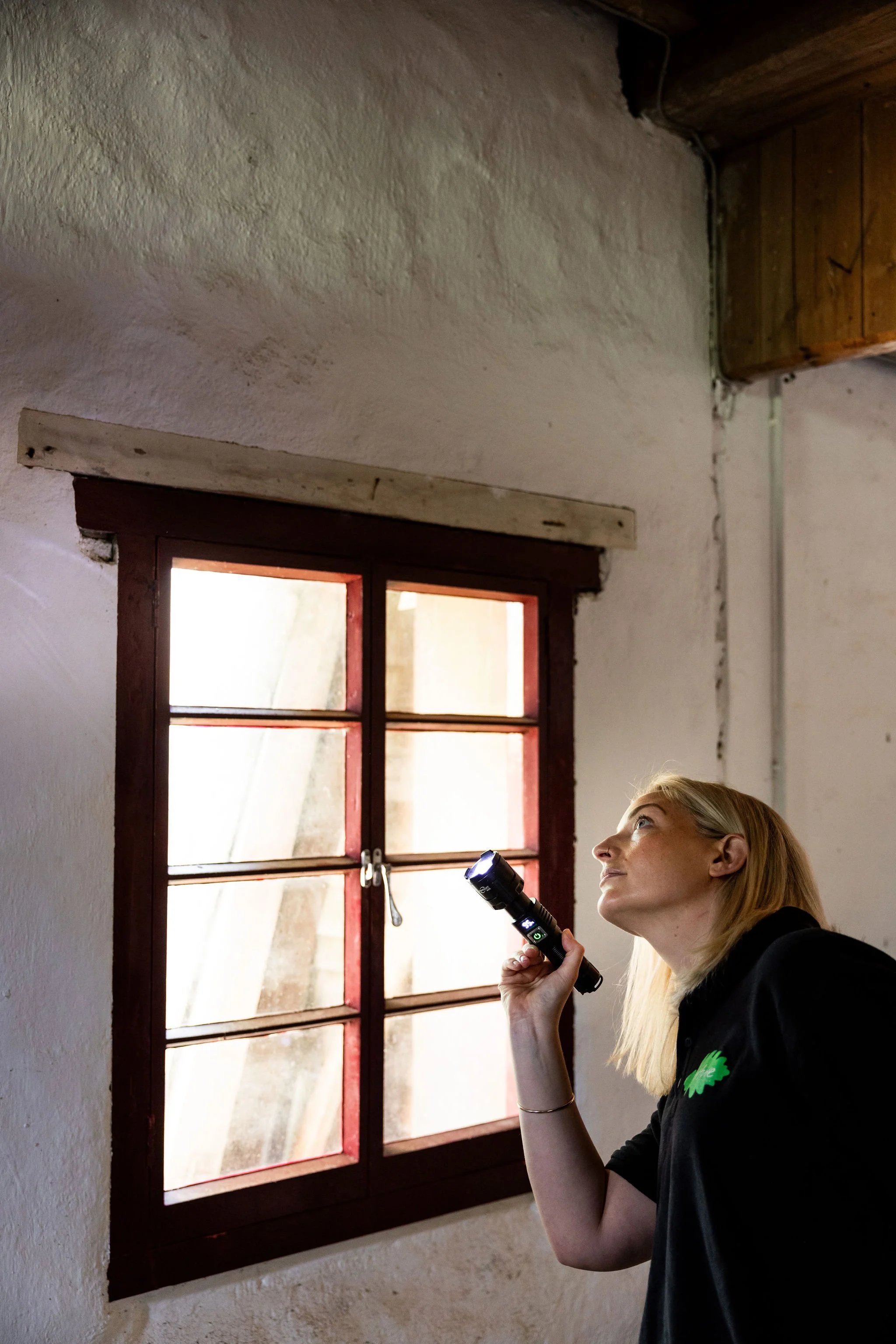
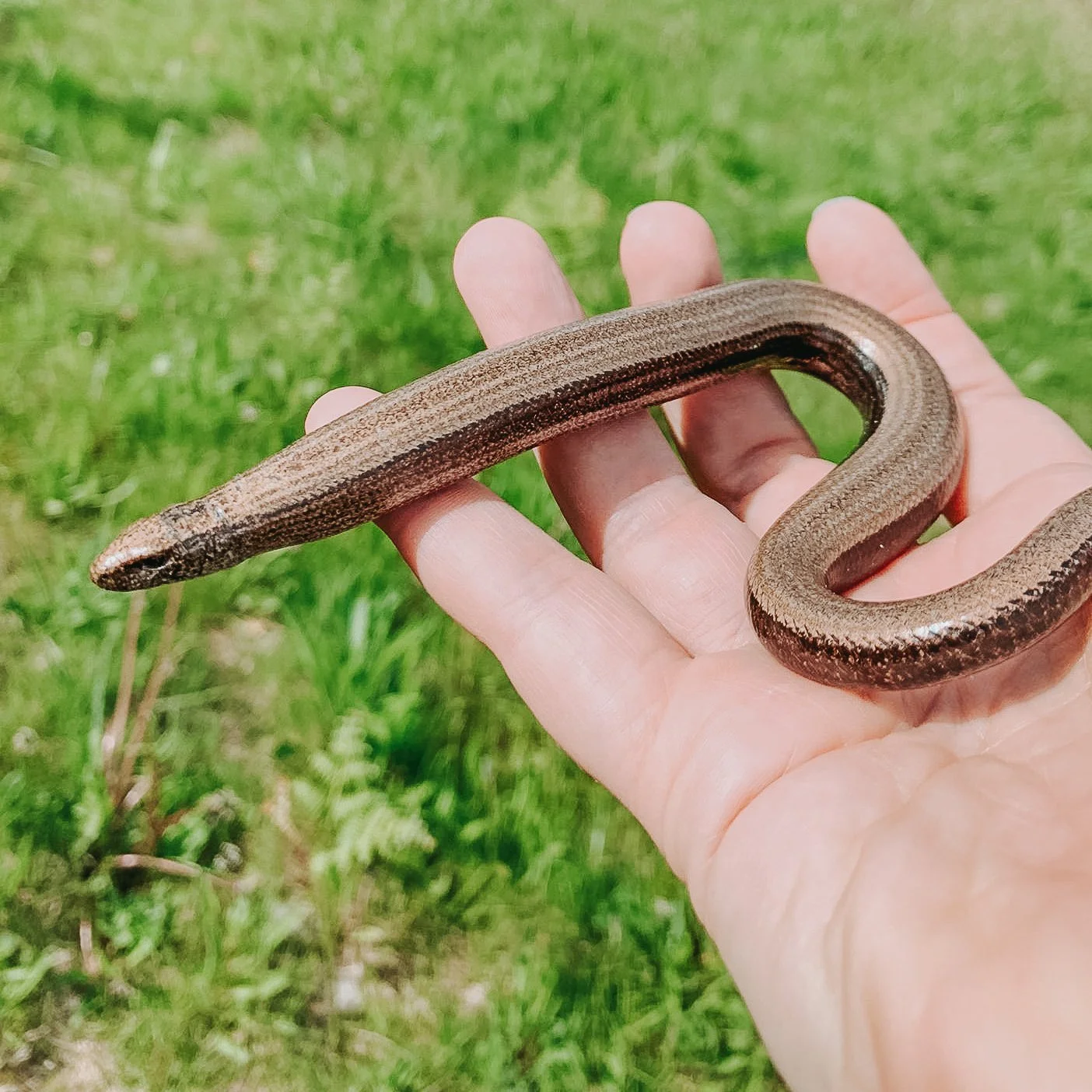
A PEA is a baseline ecological survey that can be undertaken any time of the year by a qualified and experienced ecologist. It entails a quick site visit and walk-over survey where the ecologist will look at the suitability of the site or building to contain any wildlife that is protected by Jersey‘s Wildlife Law (2021).
The proposed development will be assessed against this and consider risk of harm to any protected wildlife populations on site, which would lead to a breach of local Law and Planning Policy.



-
What happens if the PEA doesn’t find any evidence or suitability of protected wildlife?
This is, of course, the ideal situation, and is the case for most applications. A simple report will be written to show that protected wildlife has been considered against your proposed development works. Some very simple precautionary mitigation measures may be included to prevent any possible negative impacts.
That’s it, your Planning Application will be determined with this report in mind, and your ecological obligations will have been addressed. Sorted!
-
What if the PEA finds evidence or suitability for protected wildlife?
If the site has suitability for protected wildlife then further investigative surveys will be recommended. These further surveys will be required as a Planning Condition (if your application is approved) and will need to be undertaken prior to works starting.
The requirement for further surveys will be assessed by the ecologist in line with the law and best practice guidelines. We will always carefully tread the line between safeguarding wildlife and enabling projects to progress. Your ecologist will justify in their report why further surveys are, or are not, required and will avoid further surveys unless truly necessary.
-
What do further surveys entail and when can they be undertaken?
Further surveys gather further information on actual protected species’ presence or absence, where they are, their population, how they use the site, etc. This information is used to provide a detailed picture of ‘if and how’ protected species use the site.
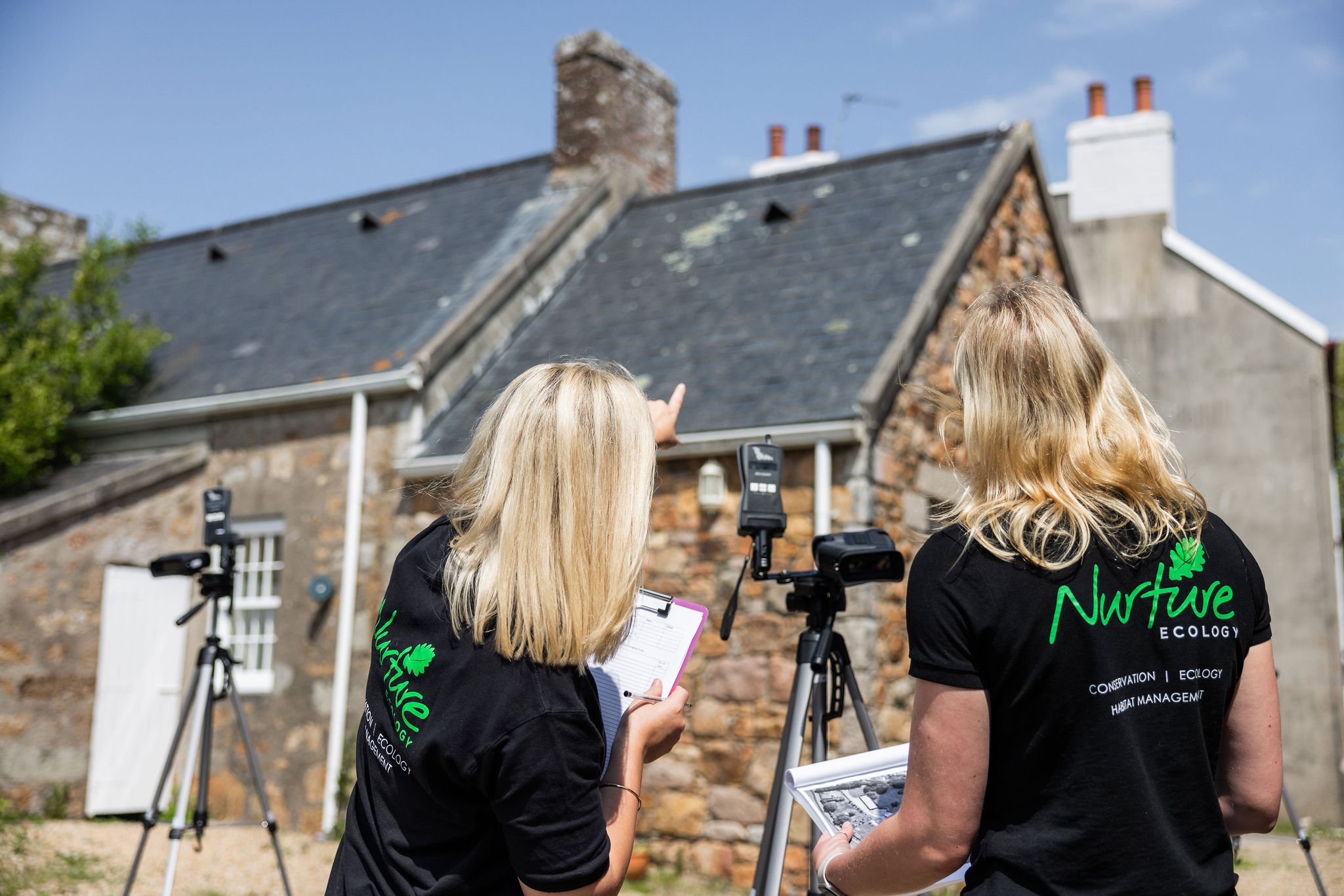
These surveys have to follow strict guidelines on how they are undertaken including survey effort, equipment used and time of year. They can only be undertaken at certain times of the year when suspected species groups are active.
If no evidence of protected wildlife is found during these surveys then a report is written and sent to Land Resource Management for them to check a robust survey effort was undertaken in line with guidelines. They will sign it off and your ecological requirements will have been addressed.
-
What if protected species are found?
Again, don’t worry! A Species Protection Plan will be written that will determine how the population of protected wildlife will be safeguarded during the development works, and encouraged to persist at the site in the long term, in line with local Wildlife Law and Planning Policy.
This protection plan will need to be approved by Land Resource Management as per your Planning Condition, prior to works commencing.
-
What about costs?
The cost of any ecological surveys is covered by the applicant, and the cost of a PEA should be no more than a few hundred pounds.
Get a detailed quote with breakdown, and carefully check what is and what is not included; beware of hidden costs.
As with most things, you get what you pay for, and price shouldn’t be your only consideration when commissioning an ecologist.
Huge costs can be saved further down the line by using an experienced ecologist with the knowledge to recommend the best and most efficient way forward.
Tips for choosing an ecologist or company to undertake your Ecological Survey requirements
-
The UK has different Protected Wildlife species groups, different legislation, and a different Planning Process when it comes to protected species. A UK ecologist wont necessarily know or have experience as to how this work is required to be done in Jersey, so you could waste time and money going down this route.
-
This can make a huge difference to the outcome of your Planning Application. An ecologist or firm with a good working relationship with the local authorities goes a long way.
-
Your consultant should be looking to get your application through with the correct level of surveying to meet local guidelines. Of course ecologists are going to be passionate about conserving wildlife, but that shouldn’t cloud their judgment on helping you gain your planning permission in line with local legislation and law.
-
Your consultant should make you aware of different approaches that may help you save time and costs, and have your best interests at heart.
For step-by-step Ecological Survey guidance

Harry Bonn, Mudros, St Brelade